New Installation or Upgrade: Which Electrical Approach Fits Your Business?
When a commercial building's electrical system starts showing its age or a new space needs power from the ground up, business owners face a practical fork in the road. Do you modernise what is already there, or do you start fresh? The answer depends on the condition of the existing infrastructure, the building's future use, and current code requirements. This article walks through the considerations that help you decide between an upgrade and a new installation for your business electrical improvements.
Assessing the Existing System
Before making any decision, a thorough evaluation of the current electrical setup is essential. An older building may have a service entrance and distribution board that still function, but the load capacity may be far below what modern equipment demands. If your business has added computers, machinery, or lighting over the years without corresponding panel upgrades, the system could be operating near its limit. In such cases, an upgrade might be the more practical route, replacing the main panel, adding branch circuits, and bringing the conduit runs up to current standards without altering the building's footprint.
On the other hand, a space that has never been wired for commercial use, or one where the existing conduit and wiring are badly deteriorated, may leave little worth saving. A new installation becomes the clearer choice when the old infrastructure cannot safely support the energy demand of your operations. This evaluation should always be done by a qualified electrician who can test insulation resistance, measure load on each circuit, and compare the setup against local code compliance requirements.
Code Compliance and Safety Considerations
Electrical codes evolve to reflect better safety practices and new technology. A system installed thirty years ago may have been perfectly legal at the time, but today it could lack grounding, arc-fault protection, or sufficient spacing in the panel. When you upgrade a portion of the system, code often requires that the affected parts be brought up to current standards. For example, if you replace the service entrance equipment, the entire path from the meter to the main disconnect may need to comply with modern clearance and bonding rules.
A new installation, by definition, starts from scratch and follows today's code from the first junction box. This can be simpler in many ways, because there is no need to work around legacy wiring or try to match old components. However, a new installation also means running all new conduit, pulling fresh conductors, and installing a new distribution board, work that can be more extensive and costly than a targeted upgrade. The decision often comes down to how much of the old system you can keep without compromising safety or inviting expensive rework later.

Load Capacity and Future Growth
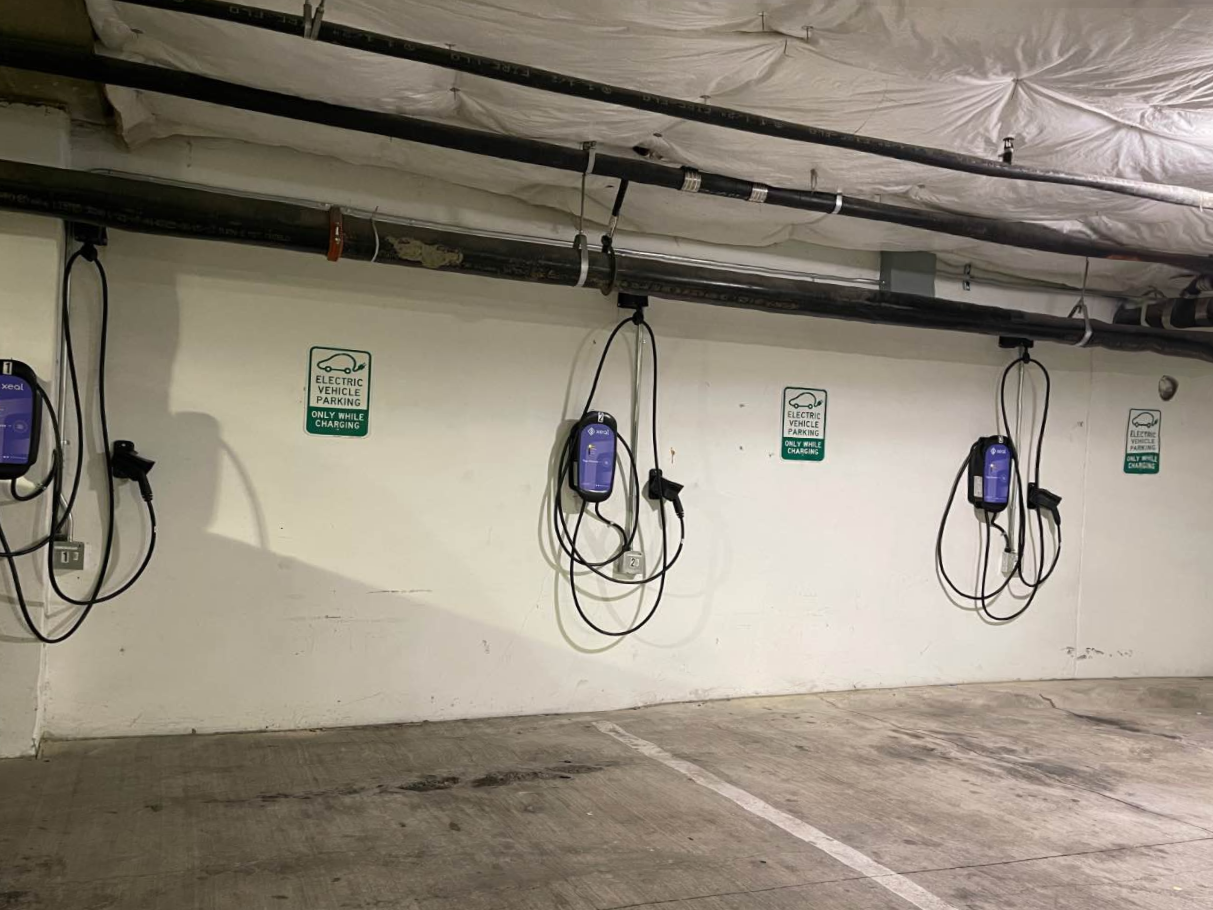
One of the most practical factors is whether the current electrical panel can handle your present and foreseeable loads. If your business is expanding, adding more workstations, higher-horsepower motors, or electric vehicle charging stations, the existing panel may not have spare breaker slots or enough total capacity. An upgrade that replaces the panel with a larger one and adds branch circuits can solve this without touching every wall. In contrast, a new installation gives you the freedom to design the system from the ground up with growth in mind, placing panels and circuits where they will be most useful.
It is worth noting that even a major upgrade does not always equal a full rewire. If the conduit runs and the service entrance are in good shape, you might keep them while swapping out the internal breakers and bus bars. The line between upgrade and new installation can blur in practice. What matters most is that the final system supports your business electrical improvements without creating bottlenecks or safety hazards.
Cost and Disruption
Budget and downtime are often the deciding factors. An upgrade is usually less disruptive because it can be phased: you might replace the main panel over a weekend, then update branch circuits one area at a time. This allows the business to keep running with minimal interruption. A new installation, especially in an existing space, often requires pulling out old wiring, cutting into walls for new conduit, and working around occupants. The labour and material costs are generally higher, and the project timeline is longer.
That said, a new installation can be more predictable. With an upgrade, you sometimes discover hidden problems once the old panel is opened, corroded terminals, undersized grounding conductors, or deteriorated insulation. Those surprises add time and cost. A new installation avoids that uncertainty because everything is built fresh. For a business that plans to stay in the same location for many years, the upfront investment in a new system can pay off in reliability and lower maintenance over time.
For a clearer picture of how these options compare in your specific situation, speaking with a commercial electrical contractor is a good next step. A site visit can reveal whether your existing infrastructure is worth preserving or if a fresh start makes more sense. Companies such as woodingelectric.com offer services that cover both upgrades and new installations for businesses in the San Jose and Santa Clara areas, and they can help you weigh the trade-offs based on your building's actual condition.
When an Upgrade Makes the Most Sense
An upgrade is typically the better path when:
- The existing conduit and wiring are in good physical condition and meet modern code for wire gauge and insulation.
- The service entrance and main disconnect can handle your current and near-term load, or can be swapped without modifying the building structure.
- Your energy demand has not changed drastically, and you mainly need to add a few new circuits or replace an outdated panel.
- Downtime must be kept to a minimum, and a phased approach fits your operations.
When a New Installation Is the Better Option
A full new installation is usually the right call when:
- The building has no existing electrical infrastructure, or the old wiring is unsafe, undersized, or incompatible with modern equipment.
- You are doing a major renovation that exposes walls and ceilings, making new conduit runs straightforward.
- The existing service entrance cannot be upgraded to meet current code without rebuilding most of the system anyway.
- Your business plan includes significant future expansion, and you want a system designed from the start to handle that growth.
Making the Decision
There is no single right answer that fits every commercial space. The best choice depends on a honest assessment of what you have, what you need, and how long you plan to stay put. A professional evaluation that includes load calculations, a review of the panel and distribution board, and a check of all branch circuits will give you the facts you need. From there, you can compare the scope of work, cost, and disruption for each route.
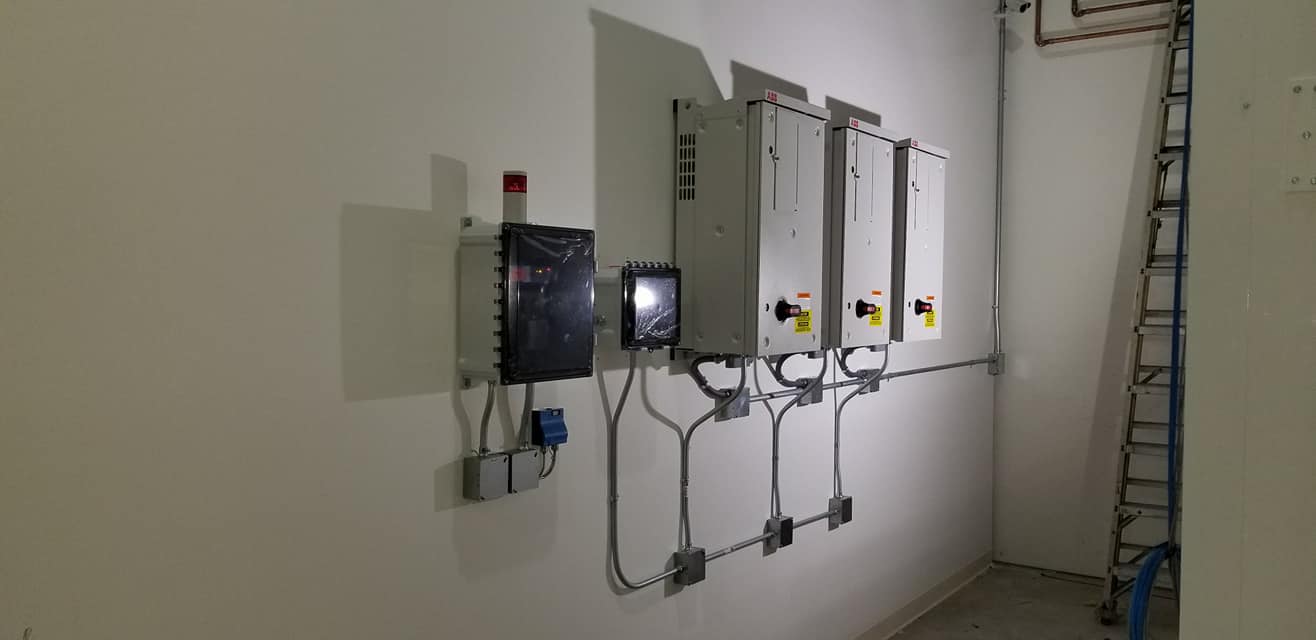
For many businesses, the conversation starts with a simple question: can my current electrical panel safely support what I am doing today and what I might add next year? If the answer is no, the next question is whether the rest of the system is worth keeping. That is where a qualified electrician's judgment becomes invaluable. Whether you choose an upgrade or a new installation, the goal is the same, a safe, code-compliant electrical system that keeps your business running without surprises. For professional guidance on your project, woodingelectric.com can provide the commercial electrical services your business needs in the Bay Area.
Ends · THEELECTRICALPREMISES